“The HCRRUN will ensure that the victim is served the amount corresponding to the degree of harm suffered without adding or subtracting a single cent,” said Mrs. Awa Nana-Daboya, President of HCRRUN.
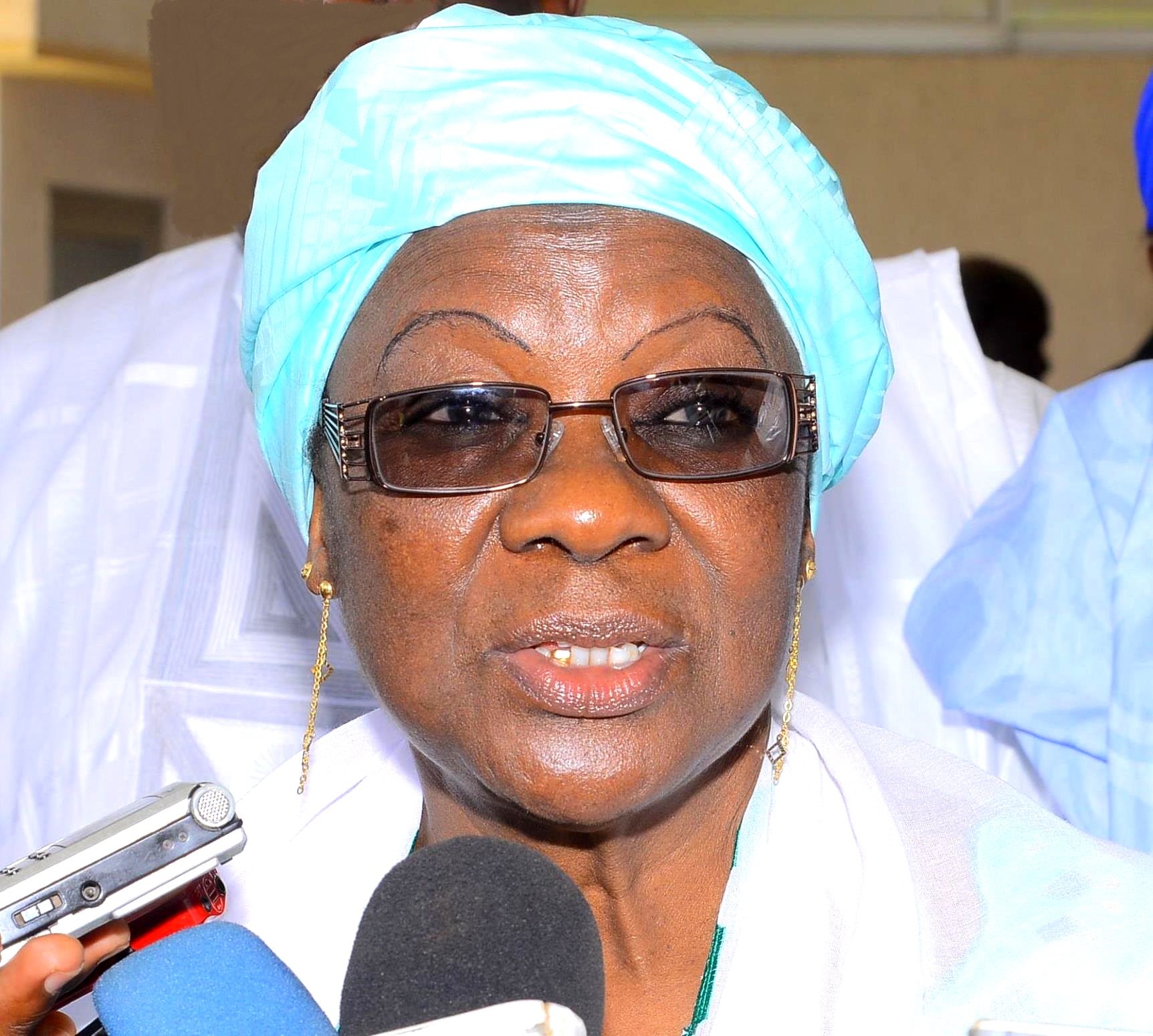
On December 12, HCRRUN begins the compensation phase for victims of political violence that affected Togo between 1958 and 2005. The first stage of this reparations phase concerns 137 vulnerable victims identified throughout the national territory. In this interview, the President of HCRRUN, Mrs Awa Nana-Daboya, explains the compensation procedures and the categorisation of reparations according to the harm suffered.
You are beginning a new stage of the Reparations Programme. What exactly will this new stage involve?
This stage, which begins on December 12, marks the start of the actual compensation process. The first component will consist of providing care to vulnerable victims. As you know, among the victims identified by the CVJR as eligible for reparations, some still suffer from physical after-effects requiring treatment and psychological support. These are the victims referred to as “vulnerable victims”. In addition to the financial compensation provided, they will benefit from a new medical and psychological assessment to determine their current level of vulnerability. There are 137 such victims spread across the entire national territory.
The process will then continue with the compensation of other victims of the 2005 events identified by the CVJR, with the aim of using the CFAF 2 billion allocated for the first instalment intended for the remaining 2,475 victims.
You mentioned medical and psychological care. What will this involve?
As I mentioned earlier, vulnerable victims are men and women who still bear physical injuries requiring medical treatment or psychological trauma requiring specialised support. This is why HCRRUN has established a partnership with the NGO AIMES-Afrique, which will deploy its technical facilities at the Conference Centre of Hôtel 2 Février in Lomé.
The victims will be transported from their places of residence to Lomé, provided with logistical support, and examined by specialist doctors under the supervision of AIMES-Afrique. Depending on the diagnosis established for each victim, treatment may be provided on-site, or the victims may be referred to appropriate national, regional, or even international health facilities.
After this medical and psychological care, will vulnerable victims also receive financial compensation?
Of course. This care is complementary to the compensation that will be paid to them. I would like to recall that the CVJR had already carried out this work by identifying the different types of harm and determining the corresponding compensation amounts, whether related to moral harm, physical harm, career-related harm, material harm, or death/disappearance.
The programme developed by the CVJR and attached to its recommendations established the amounts to be paid for each type of harm. Based on each category, degrees of severity were defined, ranging from minor, low, moderate, serious, to very serious. HCRRUN will therefore ensure that each victim receives the amount corresponding to the level of harm suffered, without adding or deducting a single cent.
HCRRUN also wishes to inform that compensation payments will be made by cheque, payable throughout the country at all branches of UTB Bank. These payments will therefore be transparent, traceable, and secure.
During your information tour last May, you mentioned 2,475 victims, mainly victims of the 2005 events, who would be covered by the first phase of reparations. Is this still the case?
Yes, this remains the case. However, it should be noted that within this first instalment of CFAF 2 billion allocated for the compensation of 2,475 victims, the compensation of the 137 vulnerable victims must first be taken into account. These include 122 victims identified from the 2005 events and 15 victims from other periods whose cases required urgent attention.
After the compensation of these 137 victims, the process of compensating the remaining victims will continue rapidly as soon as the necessary funds are made available.
Why did you choose to bring all the victims to Lomé?
The need to provide them with medical and psychological care requires centralised management of the treatment process and access to the technical facilities established by AIMES-Afrique, which are located near the country’s two main university hospitals: the Sylvanus Olympio University Hospital and the Campus University Hospital in Lomé.
The doctors from AIMES-Afrique will also be able to seek additional expertise if necessary, which is more accessible in Lomé than in other cities across the country. Likewise, in cases requiring medical evacuation or specialised external care, Lomé offers better conditions for facilitating the necessary arrangements.
Several years have passed since the 2005 events and the end of the CVJR’s work. How do you plan to locate the victims?
This process has practically already been completed. Indeed, during the hearings conducted by the CVJR, victims were registered based on their identity details, telephone numbers, addresses, as well as the contact information of relatives and other family members.
Each victim has an identification file containing all the necessary information, stored in the databases transferred by the CVJR to HCRRUN. However, if a victim cannot be reached despite these available records, we will seek the support of administrative authorities (prefects), traditional and religious leaders, members of peace committees, and other resource persons to help locate them.
I would also like to point out that contact tests carried out at the beginning of this month with the victims listed produced positive results ranging from 80% to 85%. Finally, HCRRUN plans to publish the names of the victims concerned to ensure that everyone is informed in advance.
What will happen if the victim is deceased?
Unfortunately, while paying tribute to the memory of such victims, we can already confirm that some of the initial contacts made by our services have revealed such cases. Under the law, there are legal heirs, meaning the beneficiaries of deceased victims. These legal heirs will receive the compensation due to their deceased relatives in accordance with the inheritance legislation in force in Togo.
Can a victim who has already incurred expenses to repair the harm suffered expect reimbursement?
During this process, victims will be reassessed based on their current situation, and additional care will be provided where necessary. However, the compensation amounts determined by the CVJR already represent, in principle, the reimbursement of expenses incurred as a result of the harm suffered. Therefore, no additional reimbursement will be provided.