Transitional Justice in Africa: HCRRUN Takes Part in Continental Dynamics in Accra
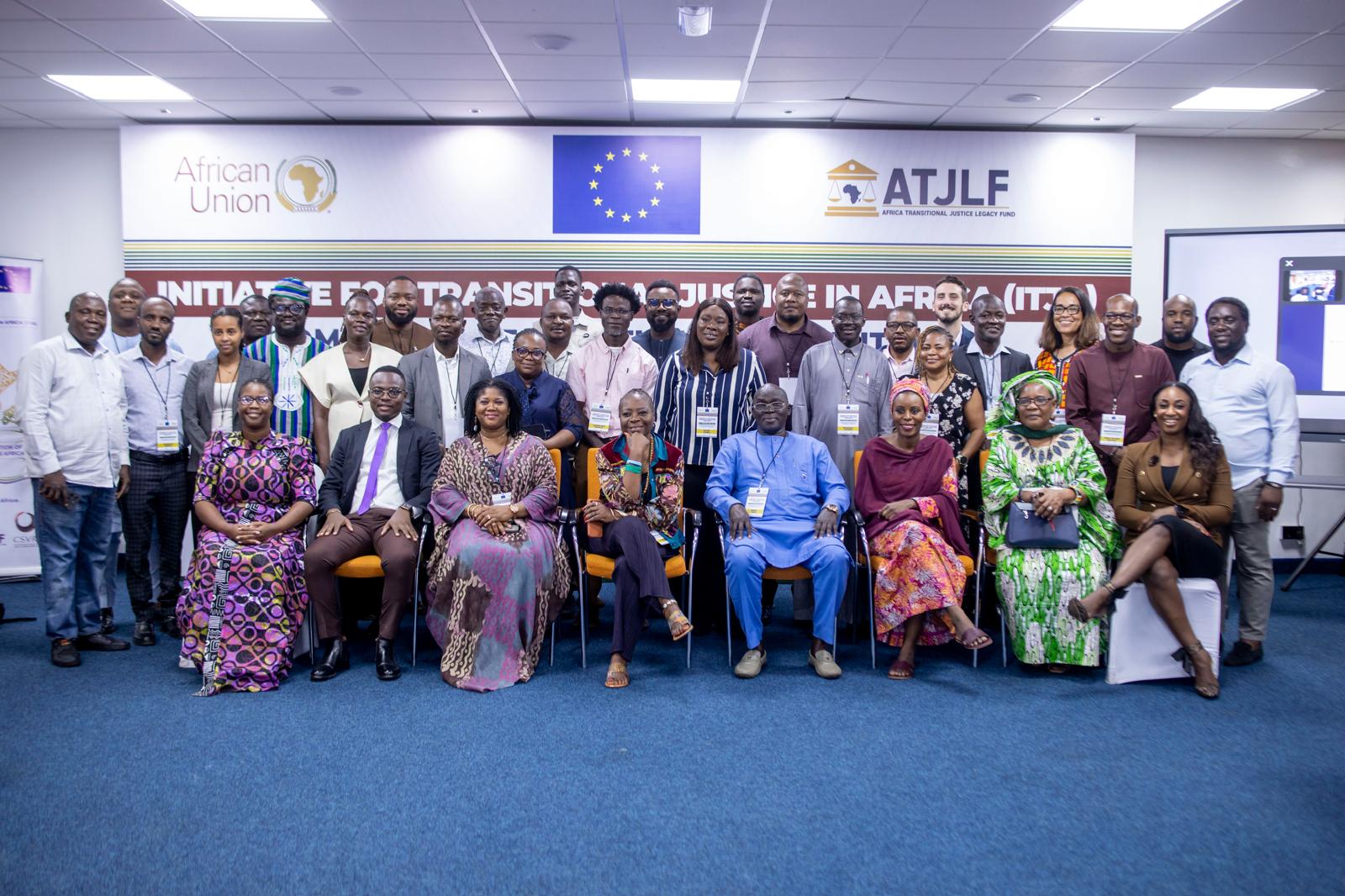
On 16 and 17 March 2026, Accra, the capital of Ghana, hosted the Community of Practice (CoP) Roundtable on Transitional Justice, organized under the Transitional Justice Initiative in Africa (TJIA). The high-level meeting brought together transitional justice practitioners and stakeholders from across the continent to advance dialogue, promote peacebuilding, preserve collective memory, and strengthen reconciliation efforts in Africa.
The High Commission for Reconciliation and Strengthening of National Unity (HCRRUN) was represented by Ms. Yolande Lovi, Head of the Communications Unit, who actively contributed to the discussions, including by moderating the concluding synthesis session.
African Experiences at the Centre of the Discussions
Over the course of the two-day meeting, participants shared experiences and lessons learned from transitional justice initiatives led primarily by civil society organizations in diverse African contexts. Case studies from Lesotho, Sierra Leone, Liberia, and the Democratic Republic of the Congo highlighted a broad range of interventions, including the documentation of human rights violations, memorialization initiatives, and the provision of psychosocial support to victims.
The discussions underscored a key conclusion: civil society remains an essential actor in advancing transitional justice processes, despite continuing challenges related to sustainability, security, resource mobilization, and coordination with public institutions.
Communication and Innovation: Key Drivers of Transitional Justice
A major outcome of the roundtable was the recognition of the strategic importance of communication in promoting transitional justice. Participants stressed the need to make the African Union Transitional Justice Policy more accessible by translating its principles into local languages and disseminating them through user-friendly and culturally appropriate communication channels.
The effective use of traditional and digital media, alongside innovative visual communication tools, was identified as a powerful means of raising public awareness, encouraging community participation, and fostering greater ownership of reconciliation processes.
Placing Victims at the Heart of Transitional Justice
The exchanges reaffirmed that victim-centred approaches are fundamental to successful transitional justice processes. Participants highlighted the importance of addressing psychosocial, cultural, and emotional dimensions of healing.
Artistic expression—including photography, music, visual arts, and cultural and faith-based practices—was recognized as a valuable instrument for supporting healing, preserving memory, and promoting social cohesion.
The meeting also emphasized the meaningful participation of women and young people and reaffirmed the importance of viewing transitional justice not only as a mechanism for addressing past violations, but also as a strategic tool for preventing future conflicts.
HCRRUN’s Active Contribution
HCRRUN played an active role throughout the roundtable discussions. By moderating the final synthesis session, its representative helped facilitate dialogue on key priorities, including strengthening cooperation among stakeholders, consolidating the Community of Practice, and identifying practical actions capable of generating sustainable impact.
The Commission’s participation also provided an opportunity to highlight Togo’s experience in transitional justice while reinforcing HCRRUN’s engagement in regional and continental initiatives dedicated to peacebuilding, reconciliation, and national cohesion.
Towards Stronger African Cooperation
At the close of the meeting, participants called for enhanced collaboration among transitional justice stakeholders, stronger coordination of initiatives, and the development of sustainable, context-specific strategies tailored to African realities.
For HCRRUN, participation in this continental forum reflects its commitment to openness, mutual learning, and the exchange of best practices. It also reinforces the institution’s determination to contribute to the advancement of transitional justice, the consolidation of lasting peace, and the strengthening of national unity in Togo and across the African continent.